The Web of Funding Channels and Redemption Protocols in Digital Poker Communities
Yara Hughes · Jun 13, 2026
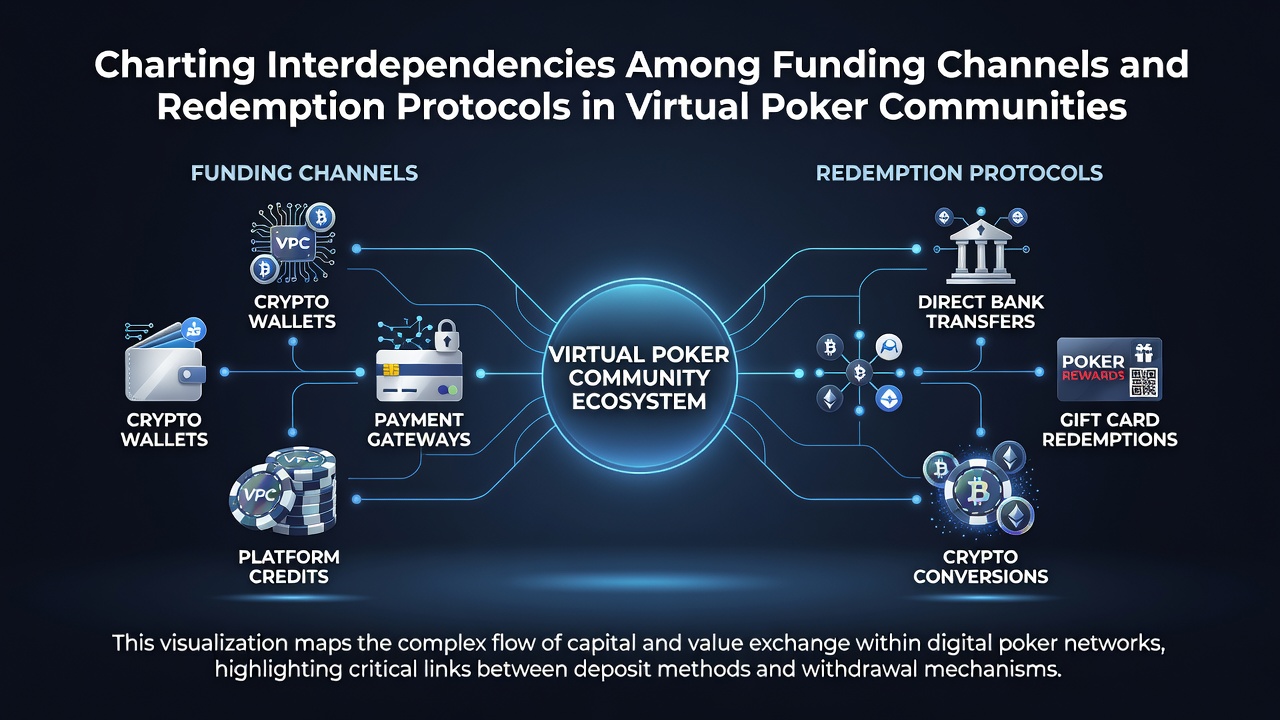
The Web of Funding Channels and Redemption Protocols in Digital Poker Communities
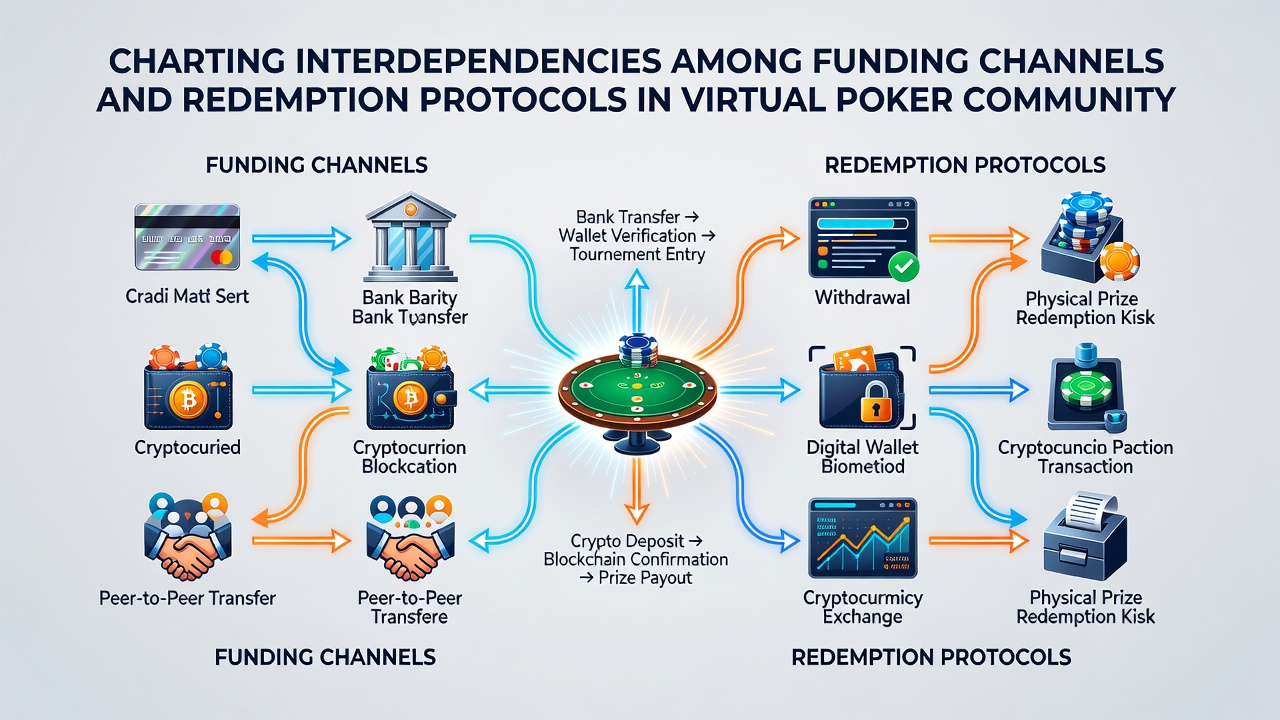
Virtual poker communities rely on layered networks where funding channels feed directly into redemption protocols, and data from June 2026 shows these connections shape transaction times across platforms. Observers note that bank transfers, cryptocurrency wallets, and prepaid cards operate alongside one another while each carries distinct verification requirements that ripple through cashout processes. Researchers have mapped how a delay in one channel often stalls redemptions tied to promotional balances, creating predictable bottlenecks that players encounter during peak tournament seasons.
Core Funding Channels and Their Operational Traits
Traditional bank wires still handle a measurable share of deposits even as digital options expand, and figures from Canadian regulatory filings reveal average processing windows of two to five business days for incoming funds. E-wallet services such as Skrill and Neteller move money faster in most cases, yet they impose separate fee structures that interact with bonus wagering rules on multiple sites. Cryptocurrency options, particularly stablecoins, gained further traction after several platforms updated their ledgers in early 2026, and transaction logs indicate settlement can occur within minutes when network congestion stays low.
Prepaid voucher systems occupy a smaller segment but serve players who prefer to cap their exposure, and studies compiled by the Australian Gambling Research Centre highlight how these vouchers integrate with platform ledgers through batch reconciliation that runs nightly. Each channel maintains its own compliance layer, and these layers determine whether funds become immediately available for play or sit behind additional checks before redemption windows open.
Redemption Protocols and Their Dependencies on Upstream Funding
Redemption protocols do not function in isolation; they reference the original funding source when calculating hold periods and verification tiers. Data collected through June 2026 demonstrates that crypto-funded accounts typically clear withdrawal requests quicker than those seeded by bank transfers, largely because blockchain confirmations replace manual document reviews in many cases. Yet when a player mixes funding sources within a single account, the protocol defaults to the strictest rule set, extending wait times for the entire balance.
Platform operators adjust these rules in response to regulatory updates, and one recent change in certain North American jurisdictions required re-verification of all crypto wallets after June 1, 2026. This adjustment produced measurable backlogs that affected redemption queues for users who had previously enjoyed same-day processing. Those tracking the data observe that the interdependency becomes most visible during large tournament payouts, when volume spikes force systems to prioritize accounts with single-source funding histories.
The authoritative voice in premium online gaming, slots analysis, and responsible play strategies.