Synchronizing Tournament Cycles with Funding Sequences in Digital Card Rooms
Elena Albrecht · Aug 26, 2026
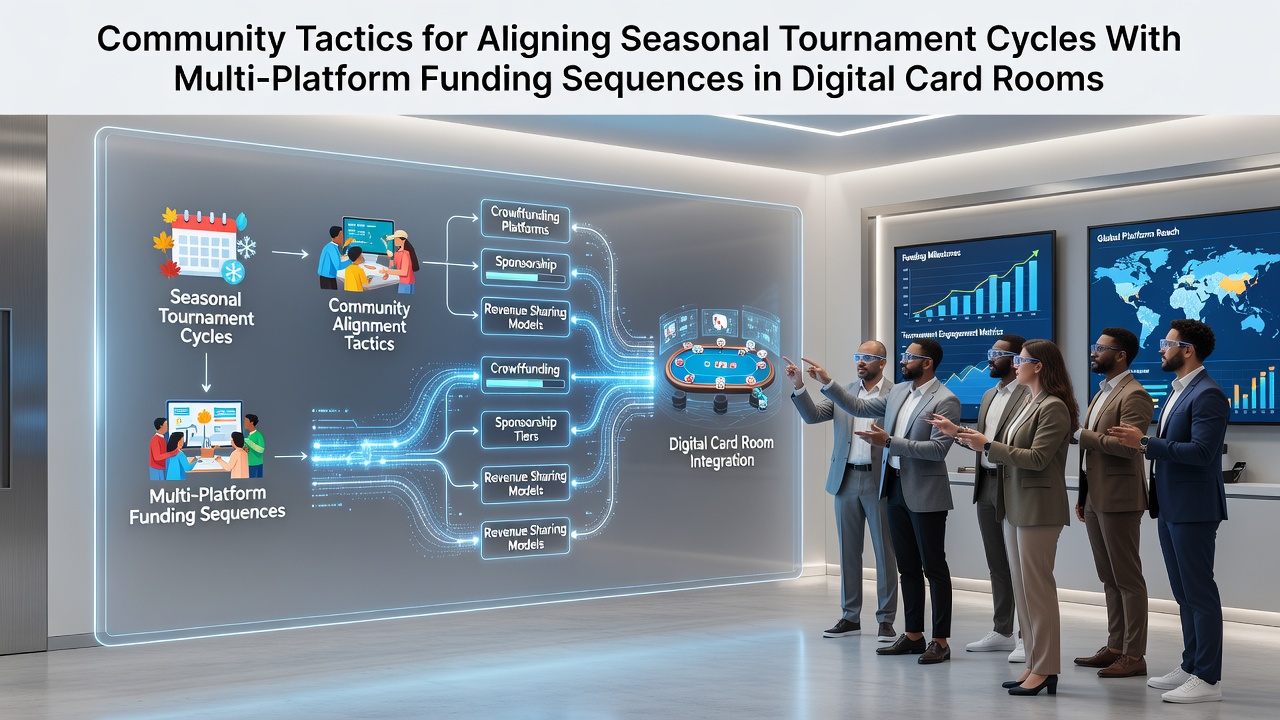
Synchronizing Tournament Cycles with Funding Sequences in Digital Card Rooms
Digital card room users have developed methods to match seasonal tournament schedules with funding sequences that span several platforms, and observers note these approaches help maintain consistent participation throughout the year. Communities track peak periods such as summer series and fall circuits, then adjust deposit and withdrawal patterns accordingly, while data from industry reports shows increased activity during August 2026 when major events align across sites.
Identifying Seasonal Tournament Patterns
Players examine historical calendars from major operators to spot recurring windows for high-stakes events, and researchers at gaming associations have documented how these cycles influence deposit timing across North American and European platforms. Groups compile shared spreadsheets that list start dates for regional qualifiers and international festivals, allowing participants to anticipate cash flow needs several months ahead, whereas single-platform users often miss overlaps that create funding gaps.
Coordinating Multi-Platform Funding Sequences
Communities establish protocols where members rotate between payment processors based on processing speeds and fee structures during specific months, and figures from regulatory bodies like the Nevada Gaming Control Board indicate that synchronized sequences reduce transaction delays by up to thirty percent in monitored markets. Participants set automated reminders tied to tournament announcements so that funds move from crypto wallets to fiat accounts before registration deadlines close, while case examples show one network that aligned three platforms to cover a six-week stretch of overlapping events without interruption.
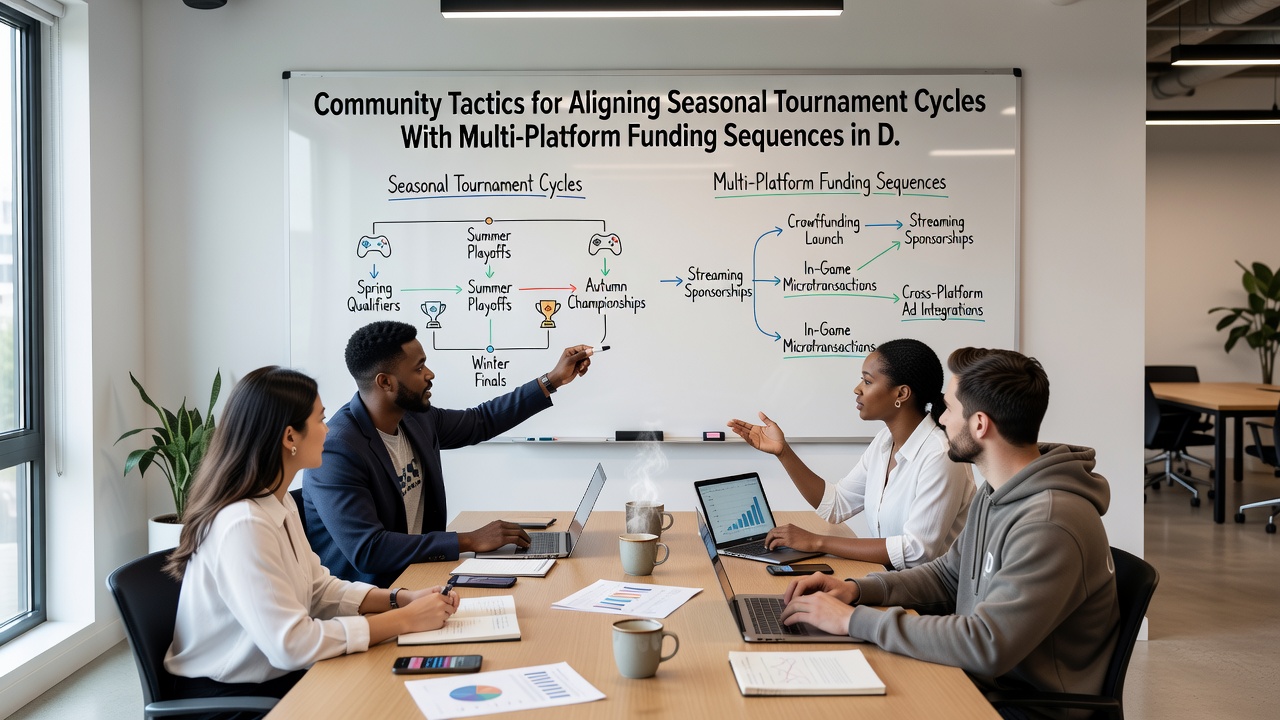
Practical Tactics Shared Among Users
Users share templates that map expected prize pools against available balance thresholds on each site, and studies from the University of Las Vegas Center for Gaming Research reveal that such mapping tools correlate with higher completion rates for multi-event schedules. Tactics include batching smaller transfers ahead of major qualifiers and monitoring exchange rate fluctuations between platforms, although groups emphasize verification steps to prevent holds during peak August 2026 periods when volume spikes.
Examples of Aligned Cycles in 2026
During August 2026 several networks coordinated funding across four platforms to cover simultaneous regional stops and online satellites, according to reports compiled by the European Gaming and Betting Association. One documented sequence involved pre-loading accounts in early July for mid-month events, followed by rapid withdrawals that funded later entries, and data shows these steps kept participation steady despite varying processing times between providers.
Conclusion
Player communities continue refining these alignment methods as tournament calendars evolve, with evidence from multiple sources confirming that coordinated funding sequences support sustained engagement across digital card rooms. Ongoing exchanges of templates and timing data help maintain operational continuity even when seasonal demands shift.