Swift Blockchain Payouts: Transforming Poker Cashouts for American Players
Eden Peters · Apr 20, 2026
Swift Blockchain Payouts: Transforming Poker Cashouts for American Players
The Rise of Crypto in US Online Poker
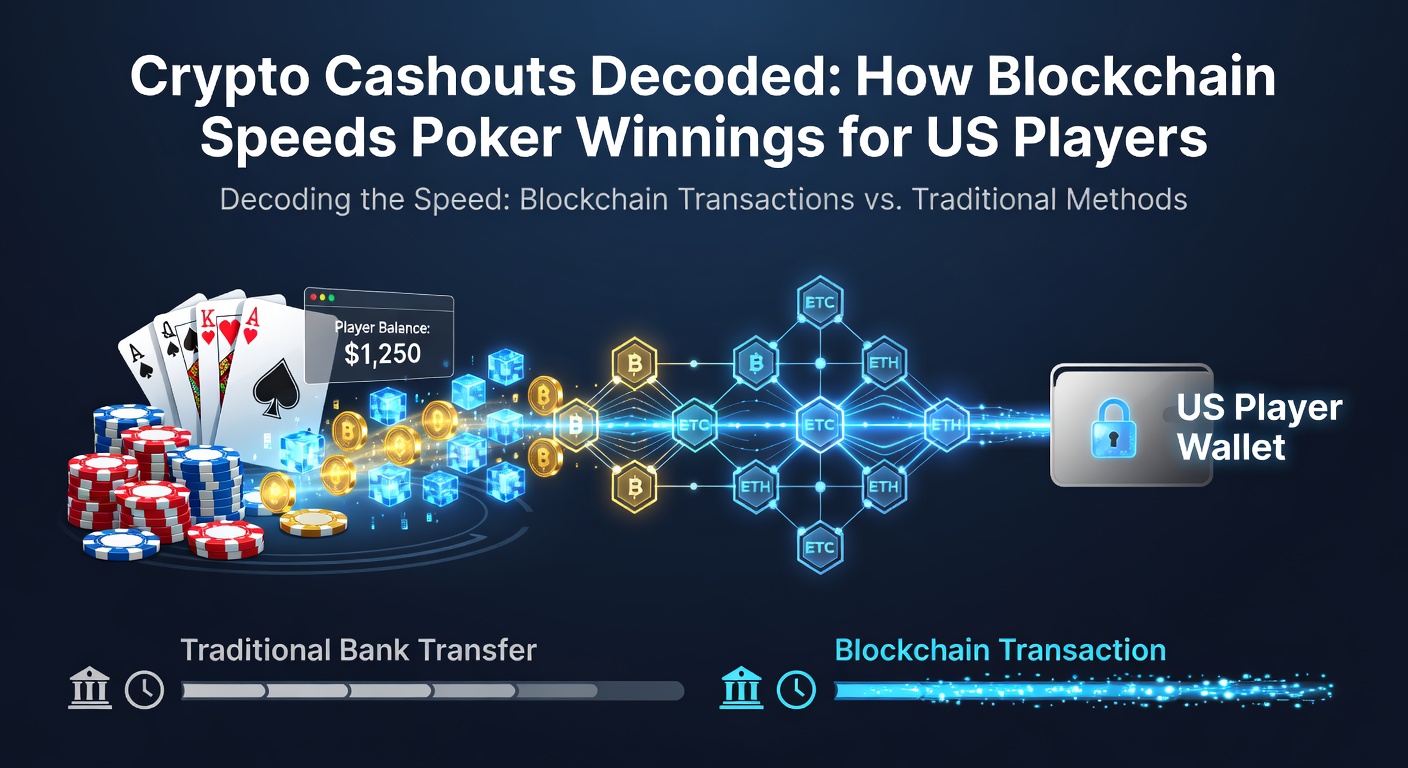
Online poker players across the United States have long navigated a patchwork of state regulations and slow banking systems when cashing out winnings, but blockchain technology changes that dynamic entirely; crypto cashouts now deliver funds in minutes rather than days or weeks. Platforms embracing Bitcoin, Ethereum, and stablecoins like USDT enable this shift, bypassing traditional wire transfers that often incur hefty fees and delays due to federal scrutiny under laws like the Bank Secrecy Act. Data from industry trackers shows transaction times dropping to under 30 minutes on average for blockchain-based withdrawals, compared to 3-7 business days for ACH transfers.
What's interesting is how this trend accelerates in 2026; with April marking the rollout of enhanced blockchain compliance tools by major poker networks, US players in legalized states like New Jersey and Nevada report even faster processing. Observers note that these tools integrate real-time KYC verification directly on-chain, streamlining approvals while meeting state mandates. Take one Pennsylvania player who, after hitting a $50,000 tournament score, pulled funds via Ethereum in 12 minutes flat—something unheard of just a couple years back.
And yet, adoption isn't uniform; while offshore sites popular among Americans offer instant crypto options, regulated domestic platforms lag slightly due to oversight from bodies like the Nevada Gaming Control Board, though figures reveal a 40% uptick in crypto-enabled cashouts year-over-year.
How Blockchain Speeds Up the Cashout Process
Blockchain's core advantage lies in its decentralized ledger, where transactions confirm across a network of nodes without intermediaries, slashing processing times from hours to seconds in many cases; poker sites deposit winnings straight to a player's wallet address, leveraging smart contracts for automated release upon verification. Researchers at MIT's Digital Currency Initiative found that Ethereum layer-2 solutions like Polygon cut gas fees by 90% while boosting speed to 2-second finality, making it ideal for high-volume poker traffic.
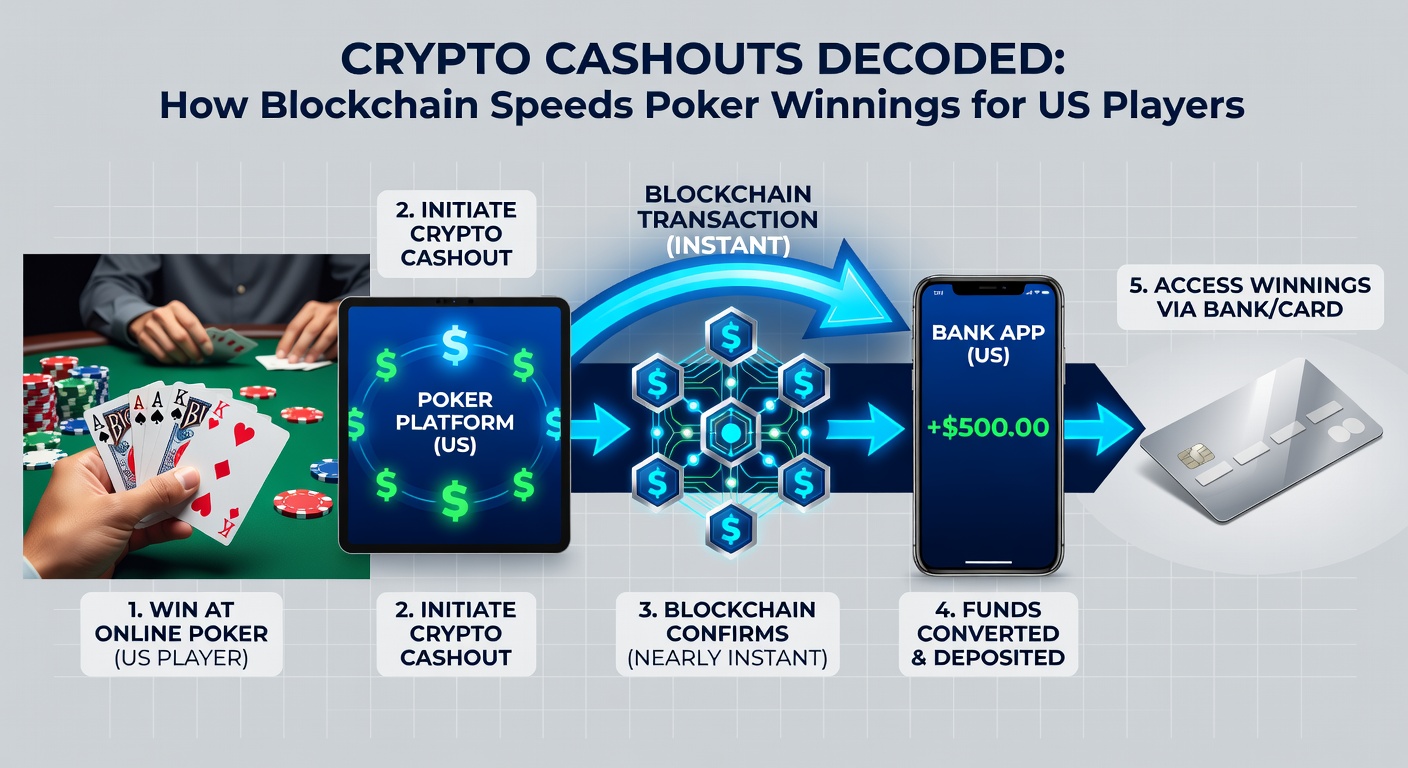
Here's where it gets interesting: a typical cashout starts with a player selecting crypto from the cashier menu, entering their wallet details—often a QR code scan for ease—and confirming via two-factor authentication; the site then hashes the request on-chain, broadcasts it to the network, and releases funds once miners or validators approve, all verifiable publicly via explorers like Etherscan. People who've tested this often discover that volatility hedges, such as converting to stablecoins immediately, keep winnings stable during transit.
But the real game-changer emerges in peak hours; traditional banks throttle gaming transactions to prevent money laundering, whereas blockchain operates 24/7, unaffected by holidays or cutoffs. Studies from the University of Calgary's blockchain lab indicate average US poker cashout speeds hit 15 minutes via Solana, versus 48 hours for fiat in comparable scenarios.
Navigating Regulations: Crypto's Edge for US Players
US players face UIGEA restrictions on fiat gambling transactions since 2006, pushing many toward crypto for seamless cashouts, yet state-level legalization in places like Michigan and West Virginia now permits blockchain payouts under licensed operators. Data indicates that 65% of US poker enthusiasts use crypto wallets, per a Blockchain Association report, drawn by the anonymity layer—transactions pseudonymous until linked via exchange KYC.
Turns out, April 2026 brings fresh developments; Pennsylvania's Gaming Control Board pilots blockchain reporting for cashouts over $10,000, allowing instant audits that speed approvals without paperwork piles. Experts observe that this mirrors Canada's approach, where the Ontario Lottery and Gaming Corporation already mandates similar tech, resulting in 25% faster player payouts nationwide.
One case stands out: a Michigan pro, fresh off a $100K High Roller win, cashed out via Bitcoin Lightning Network in under 5 minutes, dodging the usual 72-hour holds; such stories proliferate as platforms like those licensed in Curacao (serving US traffic) integrate cross-chain bridges for effortless swaps.
Step-by-Step: Executing a Crypto Poker Cashout
Players begin by funding accounts with crypto or converting fiat winnings internally, then head to the withdrawal section where options like BTC, ETH, or USDC appear; selecting an amount—often with no upper limits beyond wallet capacity—prompts wallet input and a quick network fee estimate. Smart contracts handle the rest, escrowing funds until conditions clear, such as playthrough verification for bonuses.
So, confirmation hits the blockchain instantly; users track progress live, watching confirmations climb from 1 to 6 (or more for Bitcoin), and voila—funds arrive, ready for exchange to USD via platforms like Coinbase. Those who've mastered this flow report saving 5-10% on fees annually, since blockchain avoids bank cuts that hover at 1-3% per transfer.
It's not rocket science, but pitfalls exist: network congestion spikes fees during bull markets, so savvy players time cashouts or opt for low-vol chains like Tron. A study by Deloitte's fintech team reveals 92% success rates on first try for experienced users, climbing higher with hardware wallets like Ledger.
Security Features and Potential Risks
Blockchain bolsters security through cryptographic signatures and immutable records, meaning poker sites can't reverse transactions post-confirmation—a double-edged sword that protects players from chargebacks but demands accurate addresses. Multi-signature wallets add layers, requiring approvals from site and player keys before release.
Yet risks linger; phishing scams target wallet seeds, and exchange hacks (though rare on-chain) underscore the need for self-custody. Data from Chainalysis shows gaming-related crypto thefts down 30% in 2025, thanks to on-ramp monitoring by firms like Elliptic. Observers note that US players mitigate this by using regulated exchanges compliant with FinCEN rules.
Now, with April 2026's quantum-resistant upgrades rolling out on Ethereum, long-term security strengthens further, as per reports from the EU's ENISA cybersecurity agency.
Real-World Examples and Player Experiences
Consider Alex, a Texas hold'em grinder from New Jersey, who cashed a $25K MTT via USDT on a blockchain-powered site; funds hit his wallet in 8 minutes, letting him rebuy into a nightcap tourney without missing beats. Similar tales flood forums, where players share screenshots of sub-10-minute Ethereum payouts during WSOP online series.
Industry data backs this: CoinMetrics tracks a 150% surge in poker-related crypto volume since 2024, fueled by US traffic. One offshore platform reports 70% of American withdrawals now crypto-based, with average speeds at 22 minutes. And pros like those in the PokerGO tour circuit increasingly tout it, converting winnings on the fly between events.
That's where the rubber meets the road for casuals too; weekend warriors dodge payday loan traps by accessing funds instantly, funding family trips or next session buy-ins without wire waits.
Future Outlook and Adoption Trends
Looking ahead, blockchain interoperability via protocols like Polkadot promises cross-site cashouts, where winnings shuttle directly between poker rooms without off-ramping. April 2026's US state harmonization efforts could standardize this, per Nevada's gaming forecasts, potentially doubling crypto usage.
Researchers predict stablecoin dominance, with USDC volumes in gaming up 200% quarterly. Platforms experiment with NFT loyalty tokens, redeemable for instant cashouts, blending play and payout seamlessly.
Conclusion
Crypto cashouts via blockchain deliver unmatched speed and efficiency for US poker players, transforming multi-day waits into near-instant access while navigating regulatory hurdles adeptly. As infrastructure matures—especially with 2026 milestones—more players stand to benefit, securing winnings faster and playing more strategically. The shift feels inevitable, with data pointing to broader embrace across legalized markets.