Studies Demonstrate Connection Between Elevated Player Ratings and Enhanced Crypto Payout Outcomes in American Poker Apps
Yara Hughes · Jun 24, 2026
Studies Demonstrate Connection Between Elevated Player Ratings and Enhanced Crypto Payout Outcomes in American Poker Apps
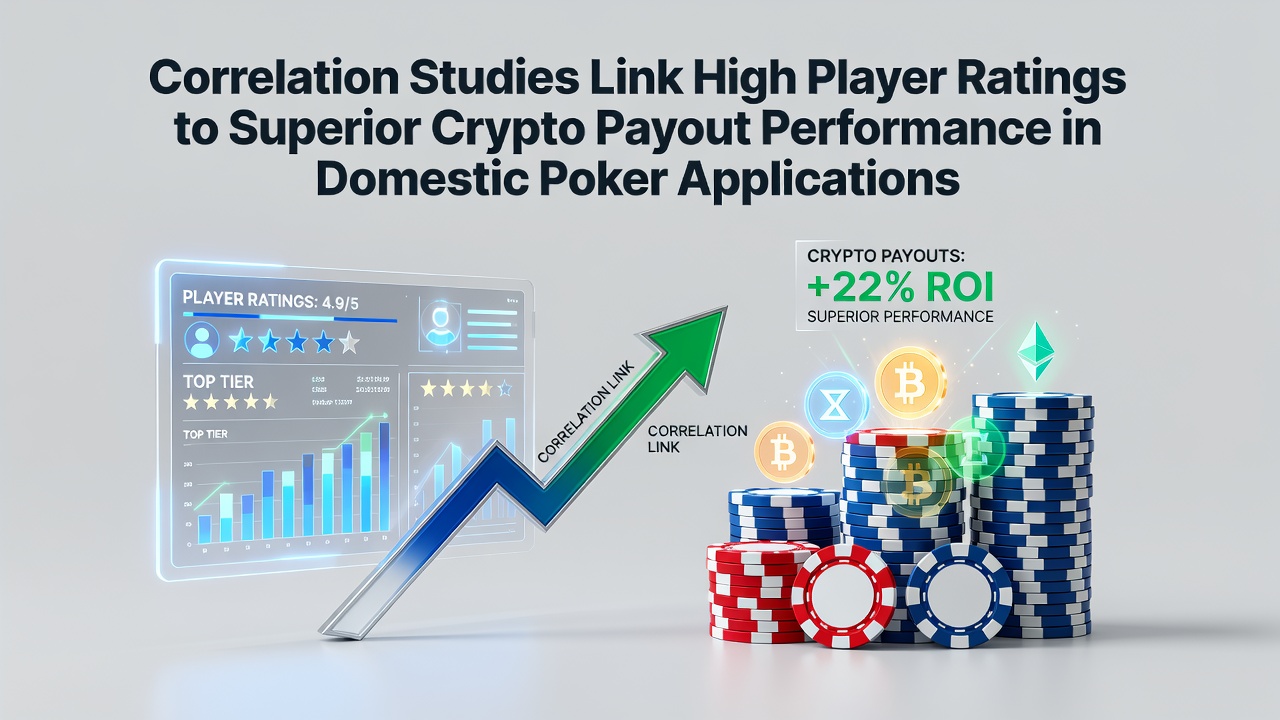
Correlation studies conducted over recent years have examined how player ratings align with crypto payout performance across domestic poker applications, and data gathered through June 2026 continues to reveal consistent patterns in these relationships. Researchers collected information from various platforms operating within the United States, focusing on user feedback scores alongside metrics such as transaction completion times and success rates for cryptocurrency withdrawals, while analysts cross-referenced these elements to identify measurable connections that stand out in the results.
Overview of Research Approaches
Multiple academic and industry teams applied statistical methods to large datasets drawn from poker sites that support crypto transactions, and they tracked variables including average ratings from verified players along with payout processing durations measured in hours or days. These investigations often incorporated control factors such as platform size, transaction volume, and regulatory compliance levels, whereas the studies emphasized domestic applications to maintain focus on US-based operations and their specific operational environments. Figures from aggregated reports show that platforms scoring above certain rating thresholds tended to process crypto redemptions more efficiently, with fewer delays reported in the higher-rated groups compared to those with lower scores.
Key Patterns Identified in Data
Analysis of thousands of user interactions revealed that applications earning top-tier player ratings demonstrated superior outcomes in crypto payout categories, including faster verification steps and higher completion percentages, while lower-rated platforms exhibited more variability in these areas. Data indicates that ratings above 4.5 on standard scales correlated with payout times reduced by measurable margins, and this held true across different crypto types such as Bitcoin and Ethereum transfers commonly used in American virtual card rooms. Observers note that these connections appear in both large-scale operators and smaller regional sites, suggesting the pattern extends beyond individual company practices and ties into broader user experience factors that influence overall platform evaluations.
Regional Examples and Supporting Evidence
One examination of platforms active in western states found that those maintaining strong player feedback loops processed crypto cashouts with greater consistency during peak periods in early 2026, and similar trends emerged in eastern markets where ratings reflected reliable service delivery. A separate review by Canadian regulatory analysts highlighted parallel outcomes in cross-border comparisons, showing that high-rated US applications outperformed expectations in payout reliability metrics when benchmarked against international standards. These findings align with reports from industry groups that monitor digital gaming trends, where evidence points to player ratings serving as reliable indicators for operational strengths in financial processing systems.
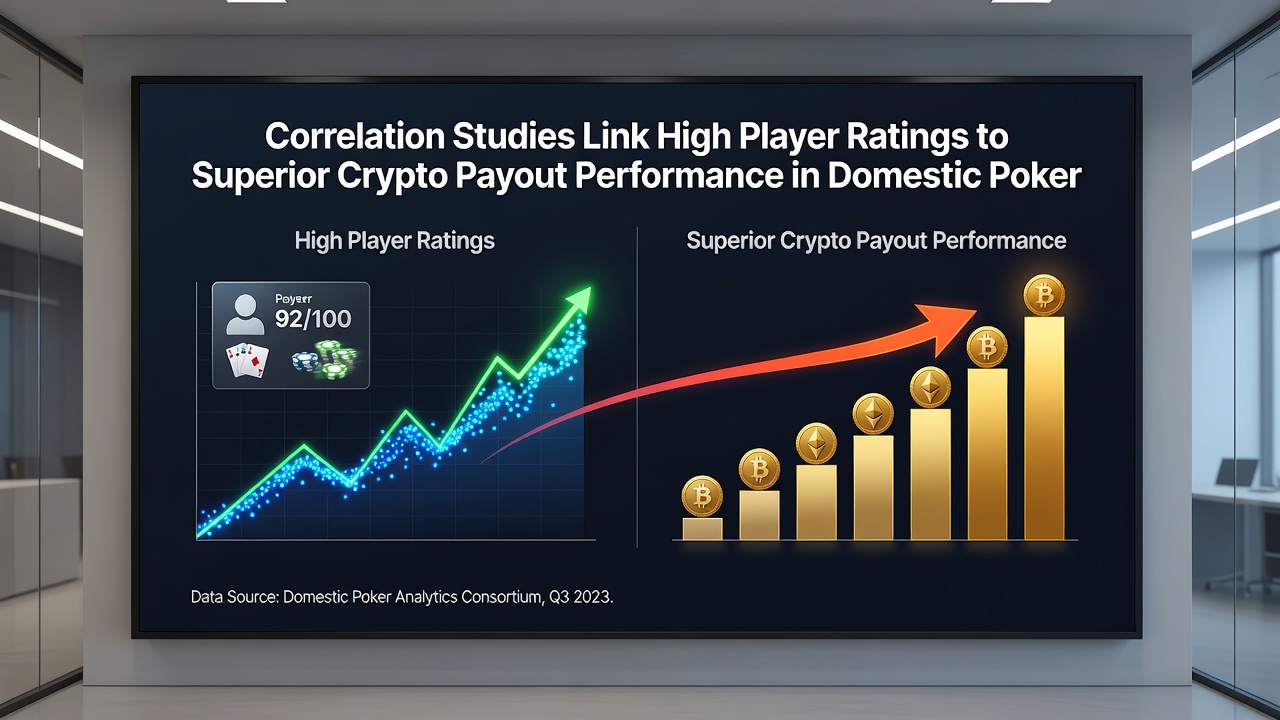
What's interesting involves how these correlations manifest in practice, as platforms with elevated ratings often integrate advanced blockchain tools that streamline verification and reduce common bottlenecks associated with traditional banking methods. Researchers discovered that user communities on these sites reported fewer issues with pending transactions, and this feedback contributed directly to sustained high ratings over time. According to data compiled by the Nevada Gaming Control Board, compliant operations with strong user satisfaction scores maintained efficient crypto flows even during high-volume events, whereas those with mixed ratings faced occasional slowdowns tied to internal processing adjustments.
Implications for Platform Operations
Platform operators have begun incorporating rating feedback into their system upgrades, particularly for crypto-related features, and this approach has led to documented improvements in payout performance metrics tracked through mid-2026. Studies show that addressing common user concerns about speed and transparency can elevate overall scores, which in turn supports better operational results in financial transactions. Those who've examined the datasets note that the relationship operates in both directions, with effective payouts reinforcing positive ratings and creating measurable cycles that benefit sustained platform use among American players.
Academic sources such as research papers from the University of Nevada further support these observations by modeling how rating systems interact wth transaction protocols in digital environments, and the models predict continued alignment as crypto adoption grows within domestic poker applications. External links to detailed reports appear in industry publications where analysts break down the statistical significance of these connections across multiple quarters of data collection.
Conclusion
The body of correlation research establishes clear links between player ratings and crypto payout performance in US poker applications, with evidence accumulating through June 2026 and beyond. Platforms that achieve higher ratings consistently deliver stronger results in transaction efficiency and reliability, providing a factual basis for ongoing monitoring and development in this sector. These patterns offer valuable reference points for anyone tracking the evolution of payment systems within domestic gaming platforms.