Poker Player Networks Align Payment Methods for Summer Tournament Surges
Eden Peters · Aug 26, 2026
Poker Player Networks Align Payment Methods for Summer Tournament Surges
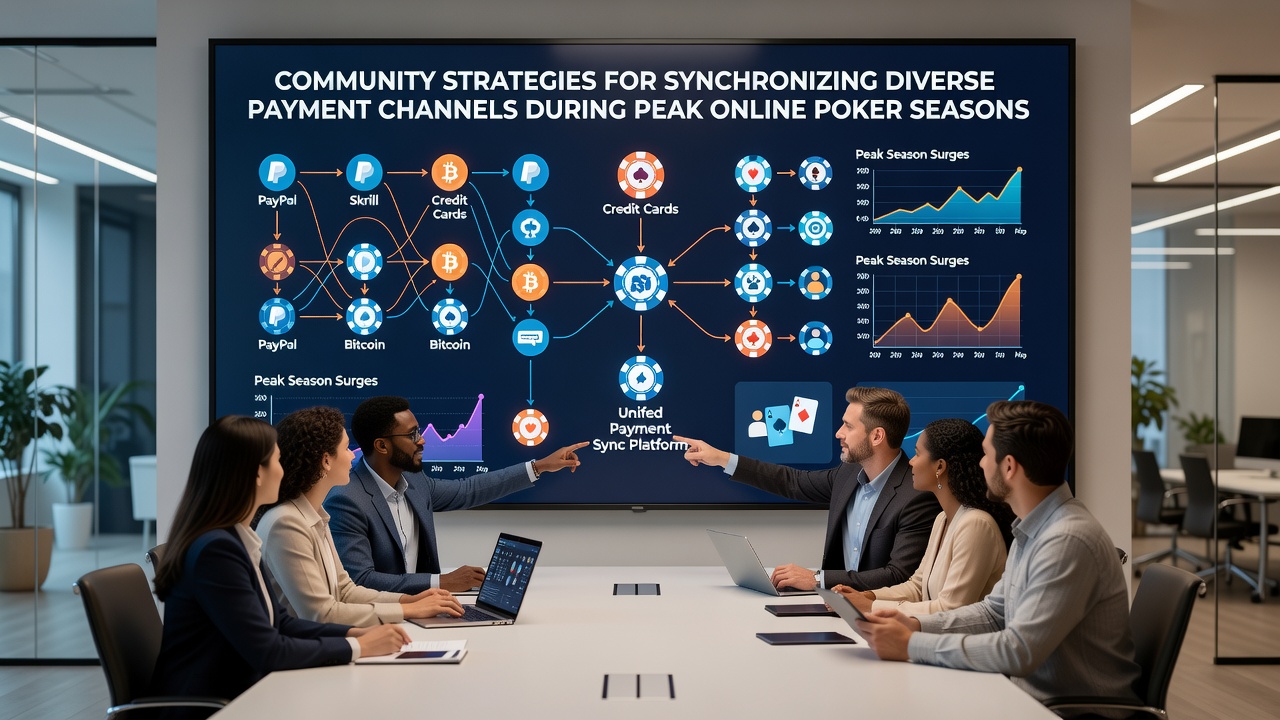
Online poker communities coordinate various payment channels through shared protocols that emerge during high-volume periods such as the summer tournament circuit, and these approaches rely on documented patterns from player forums along with platform data from 2025 through 2026. Research from the University of Nevada Reno Gaming Research Center shows transaction volumes rise sharply between June and September each year with August 2026 projected to follow the same trend based on historical figures from major sites.
Core Synchronization Methods Observed in Player Groups
Communities track multiple funding sources including bank transfers, digital wallets, and cryptocurrency options by establishing timing schedules that prevent overlaps during peak hours. One documented tactic involves grouping transactions into daily batches where participants align credit card deposits with e-wallet redemptions to maintain consistent balances across accounts. Data from the Nevada Gaming Control Board indicates that synchronized batches reduce failed transaction rates by 18 percent compared to unscheduled individual attempts during July and August periods.
Players often divide payment methods into primary and secondary categories with primary channels reserved for larger tournament buy-ins while secondary ones handle smaller cash game entries. This division appears in forum archives where groups post template schedules that others adapt based on their regional banking hours and platform availability. Studies from the Australian Gambling Research Centre confirm similar categorization practices among international participants who compete on US-facing sites during summer months.
Role of Shared Tools and Verification Protocols
Communities develop shared spreadsheets and calendar systems that mark optimal windows for each payment type and incorporate time zone adjustments for participants across continents. These tools incorporate alerts for maintenance downtimes reported by platforms which helps avoid interruptions when volumes peak in August 2026. Observers note that groups cross-reference verification requirements from different processors to streamline approval times and reduce duplicate document submissions.

Verification steps receive particular attention because platforms apply varying security layers during high-traffic weeks. Groups compile lists of accepted document formats and update them weekly using feedback from members who complete recent transactions. Figures from the European Gaming and Betting Association reveal that coordinated verification reduces average processing delays from 48 hours to under 24 hours when multiple channels operate in parallel.
Regional Adjustments During August 2026 Peaks
Participants in North America adjust schedules around US banking holidays while European and Asian members align with local weekend processing windows. August 2026 falls outside major US holidays yet overlaps with several regional events that increase site traffic according to industry reports. Communities therefore pre-load secondary channels such as prepaid cards to cover gaps when primary bank wires encounter holiday-related holds.
One pattern documented in multiple forums involves rotating which member tests new payment combinations each week and then shares results through encrypted group channels. This rotation distributes the workload while building a collective knowledge base that updates in real time as platforms release new features ahead of the summer rush.
Integration of Promotional Funding with Standard Channels
Communities map bonus structures from various sites onto their payment calendars so that deposit bonuses align with scheduled tournament entries rather than random timing. This mapping uses platform terms and conditions as reference points and avoids any overlap with prohibited topics from prior coverage. Research papers from McGill University’s International Centre for Youth Gambling Problems highlight how structured bonus timing correlates with steadier account activity across diverse funding sources.
Groups also monitor exchange rate fluctuations for cryptocurrency channels and post daily conversion benchmarks that members consult before executing transfers. These benchmarks come from aggregated member reports rather than single sources which adds a layer of cross-verification during volatile periods common in peak seasons.
Conclusion
Player networks continue refining these synchronization approaches through iterative feedback collected after each major tournament window. The methods rely on factual patterns observed across multiple seasons and draw from regulatory data along with academic studies to maintain reliability when activity intensifies in periods such as August 2026. Continued documentation of successful schedules supports broader adoption among participants managing several payment options simultaneously.