Poker Platform Metrics: Linking Withdrawal Reliability and Promotional Incentives in Crypto Environments
Carlo Brooks · Jul 6, 2026
Poker Platform Metrics: Linking Withdrawal Reliability and Promotional Incentives in Crypto Environments
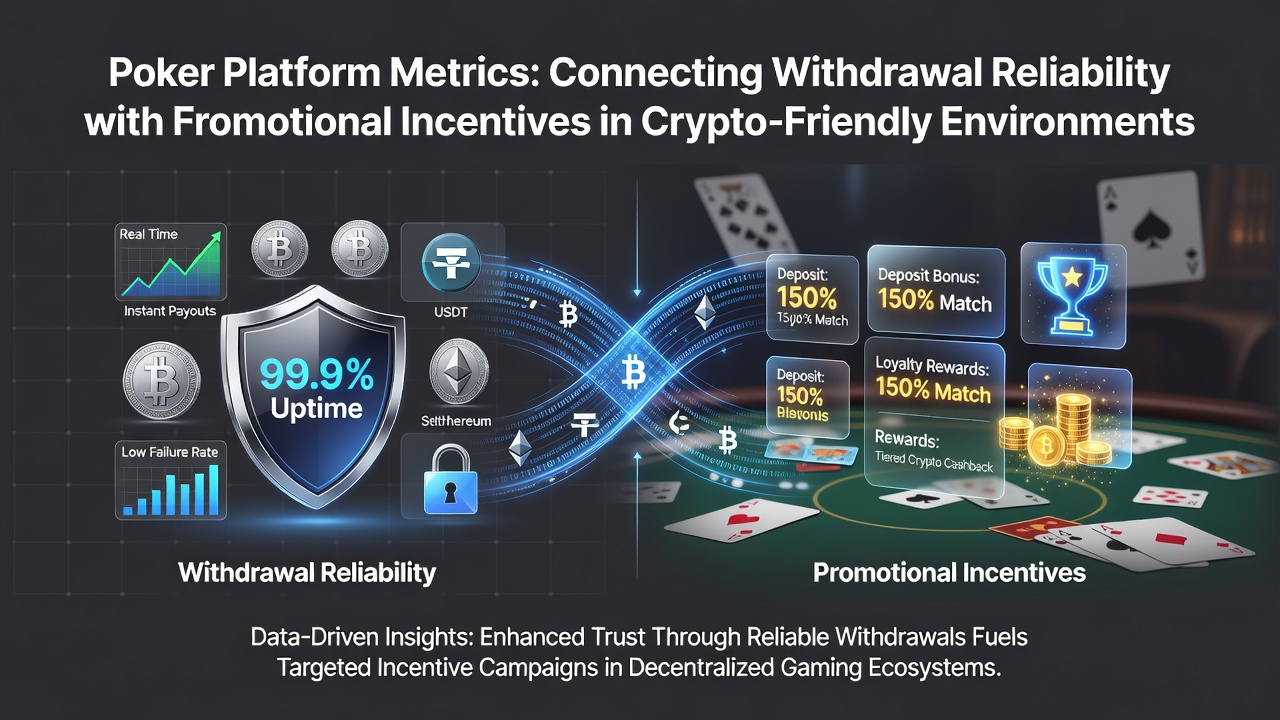
Platform operators track withdrawal reliability through specific data points that include average processing times, success rates on first attempts, and frequency of delays across different payment rails, while promotional incentives such as deposit matches and rakeback percentages often adjust based on those same performance indicators in environments that accept cryptocurrencies.
Core Metrics Driving Platform Decisions
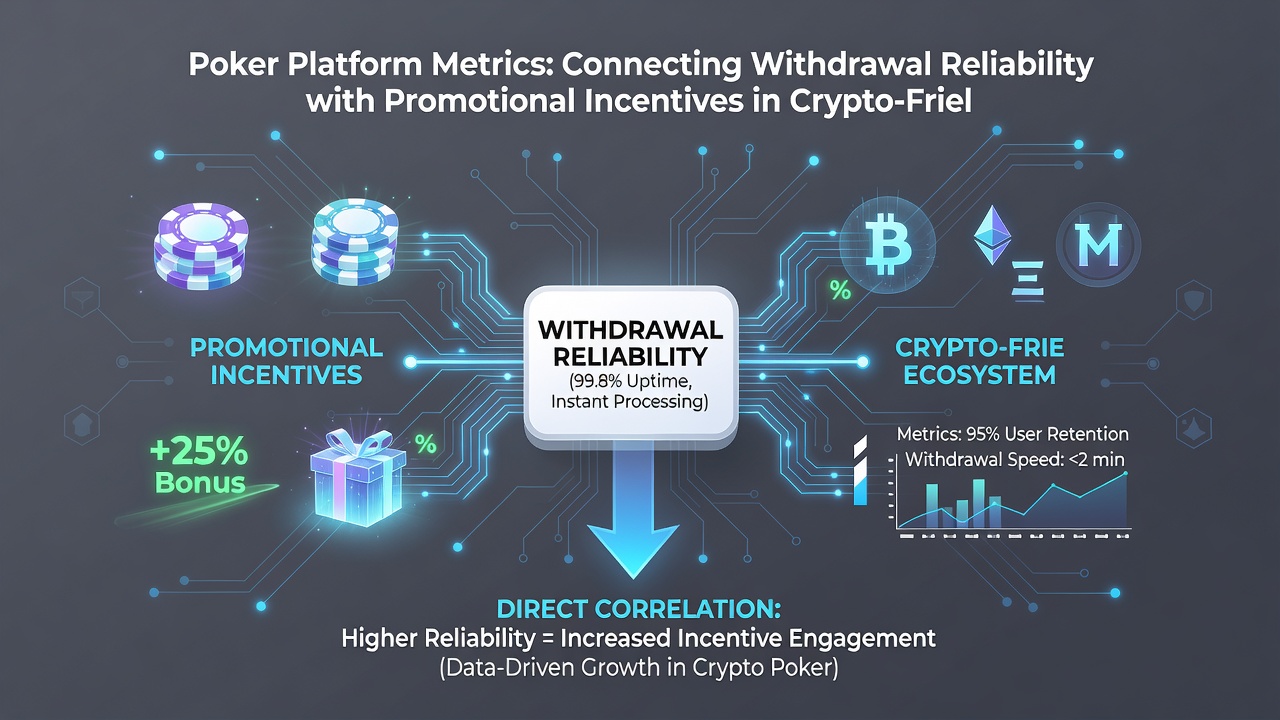
Operators collect figures on withdrawal completion percentages and median payout durations that reveal how consistently platforms handle requests when users select bitcoin or ethereum transfers versus traditional banking options, and research from the American Gaming Association indicates these metrics influence decisions on bonus structures because sustained reliability supports higher promotional budgets without increasing operational risk. Observers note that when withdrawal success rates exceed 95 percent within a 24-hour window, platforms frequently expand incentive tiers to include larger deposit bonuses or extended loyalty rewards since the data supports the assumption that satisfied users will continue engaging with the site.
Crypto Integration and Incentive Adjustments
Crypto-friendly rooms integrate blockchain confirmations into their payout protocols, which shortens verification steps and allows operators to tie promotional offers directly to transaction speed data, yet those same systems require ongoing monitoring because network congestion can alter the reliability numbers that determine bonus availability. Data from the Malta Gaming Authority shows platforms operating in multiple jurisdictions often recalibrate incentive levels quarterly when withdrawal metrics shift, because sustained performance in crypto channels correlates with user retention patterns that justify continued promotional investment. Those who've examined transaction logs find that sites maintaining sub-four-hour average crypto payouts tend to offer stacked incentives such as combined cashback and tournament ticket rewards, while slower periods prompt temporary reductions in bonus percentages to manage cash flow exposure.
Figures collected through July 2026 demonstrate that several major rooms adjusted promotional calendars after observing slight increases in ethereum gas fee volatility, which temporarily extended withdrawal windows and led operators to cap certain deposit match offers until reliability metrics stabilized again.
Regional Patterns and Data Correlations
North American platforms accepting crypto show stronger alignment between withdrawal reliability scores and promotional generosity compared with some European counterparts, according to reports issued by the Australian Gambling Research Centre, because regulatory frameworks in those regions permit faster experimentation with incentive models when blockchain data supports the change. Researchers tracking these environments observe that rooms publishing transparent payout statistics often maintain higher average incentive values across the calendar year, since the visible metrics encourage user trust and allow operators to scale bonuses without proportional increases in dispute handling costs.
Verification Protocols and Bonus Eligibility
Verification layers that confirm both account ownership and crypto wallet addresses feed directly into the metrics operators review when deciding bonus eligibility windows, and sites that streamline these checks while preserving security thresholds frequently report improved withdrawal completion rates that support broader promotional campaigns. One study released by the University of Nevada, Reno examined transaction records from several virtual card rooms and found measurable connections between reduced verification friction and elevated incentive uptake, because users who experience fewer delays are more likely to qualify for and claim ongoing rewards.
Operators continue refining these systems because the data indicates that consistent reliability across crypto and fiat channels allows platforms to maintain competitive incentive structures without exposing themselves to disproportionate financial strain during peak activity periods.
Conclusion
Platform metrics that measure withdrawal reliability remain central to how operators structure and sustain promotional incentives in crypto-friendly poker environments, with ongoing data collection guiding adjustments through at least July 2026 and beyond as network conditions and regulatory expectations evolve.