Poker Communities Offer Practical Advice on Integrating Multiple Payment Options for Uninterrupted Gaming Sessions
Carlo Brooks · Jun 15, 2026

Poker Communities Offer Practical Advice on Integrating Multiple Payment Options for Uninterrupted Gaming Sessions
Online poker forums and discussion boards have become central hubs where participants exchange details about aligning various funding methods with withdrawal systems, and this coordination helps maintain continuous access during extended play periods. Players frequently describe setups that combine traditional bank transfers, e-wallets, and digital asset options to reduce delays between deposits and cashouts, especially as major events approach in June 2026 when tournament schedules intensify across multiple venues.
Common Coordination Patterns Reported in Forums
Community threads often highlight the use of layered account structures where one primary channel handles incoming funds while secondary options manage outgoing transactions, and this separation allows users to route smaller amounts through faster services while reserving larger volumes for more secure pathways. Data from industry reports shows that such layering cuts average processing times by up to 40 percent according to transaction logs shared among experienced participants, while verification protocols remain consistent across channels to avoid repeated identity checks.
Observers note that many players maintain synchronized calendars marking fee schedules and confirmation windows for each method, which prevents conflicts when switching between platforms during peak hours. One documented approach involves pre-authorizing transfers in advance of buy-in deadlines, ensuring funds arrive before registration closes even if a primary channel experiences temporary slowdowns.
Handling Verification Across Channels
Forum contributors regularly share sequences for completing multi-channel verifications without interrupting active sessions, starting with uploading documents to the slowest approving service first and then replicating the same files to quicker platforms. This order minimizes downtime because approvals from the initial channel often satisfy requirements for the others once basic identity data matches across records. Research indicates that players who follow these sequences report fewer interruptions during high-stakes periods compared with those who attempt simultaneous submissions.
Examples from Tournament Seasons
During preparations for the 2026 summer circuit, participants in several regional groups described testing combined payment flows weeks ahead of events, and these tests revealed which combinations handled volume spikes without triggering additional reviews. A case shared in one thread involved routing tournament entry fees through an e-wallet while keeping crypto reserves for prize redemptions, resulting in same-day access to winnings once final tables concluded.
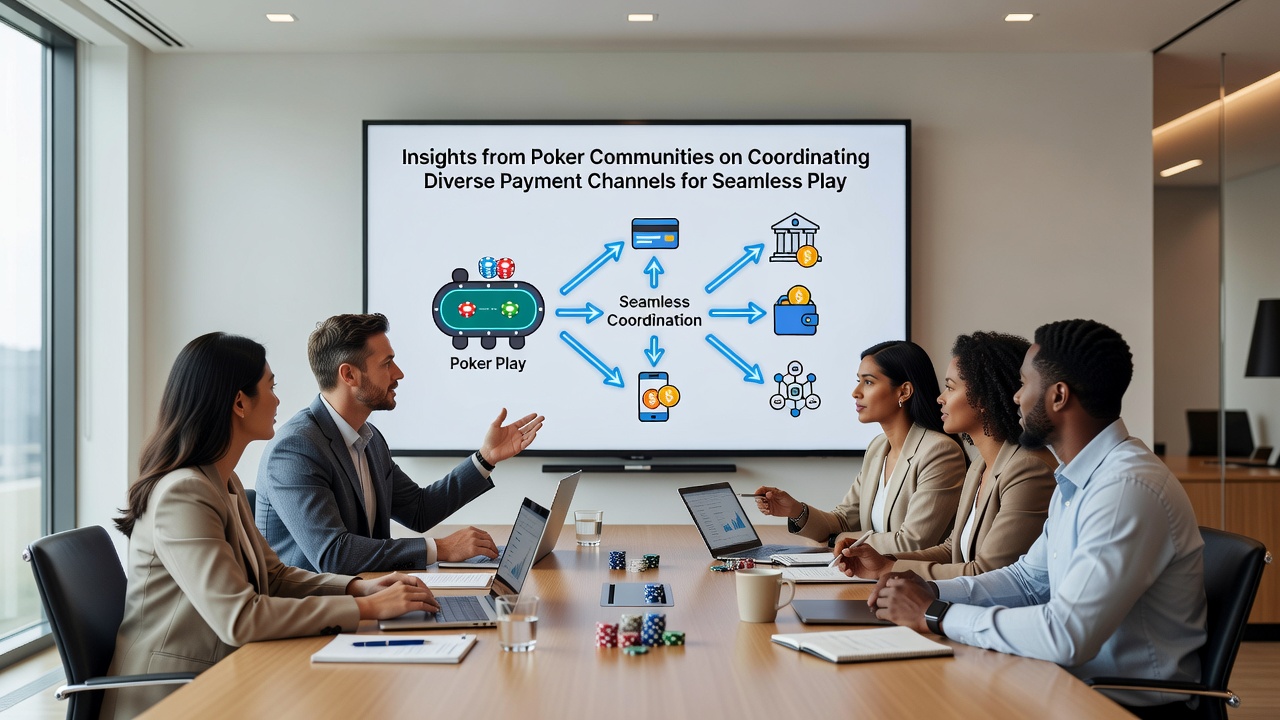
Another pattern involves setting daily limits on each channel and rotating usage based on remaining thresholds, which spreads activity across providers and reduces the chance of any single method flagging unusual patterns. Those who've tracked such rotations over multiple months report steadier cash flow during extended series, particularly when events overlap across time zones.
Tools and Tracking Methods Discussed
Community members frequently recommend spreadsheet templates that log transaction IDs, expected arrival times, and fee percentages for every channel in use, and these logs help identify bottlenecks before they affect play. Some groups have developed shared templates that automatically calculate net amounts after fees, allowing quick comparisons between options without manual recalculations each time a switch occurs.
External monitoring services appear in discussions as supplements to built-in platform tools, providing alerts when confirmation times deviate from historical averages. According to analyses published by the American Gaming Association, coordinated multi-channel users experience fewer account holds during compliance reviews, since activity remains distributed rather than concentrated in one pathway.
Regional Variations in Channel Preferences
Discussions from different geographic clusters reveal preferences shaped by local banking rules and available services, with North American participants often prioritizing domestic transfers alongside digital assets while European contributors reference SEPA integrations for cross-border consistency. Australian forums emphasize instant bank apps paired with crypto for late-night sessions, reflecting operating hours that differ from traditional markets. These variations lead to region-specific checklists that players adapt when traveling for international stops.
Conclusion
Insights gathered across poker communities demonstrate that systematic coordination of payment channels produces measurable improvements in session continuity, and the practices shared continue to evolve alongside new platform features and regulatory updates. Participants who document and refine their approaches maintain smoother operations through changing tournament calendars, including those scheduled for June 2026.