Player Rating Trends Reshape Crypto Deposit Strategies Across American Virtual Card Rooms
Elena Albrecht · Jul 13, 2026
Player Rating Trends Reshape Crypto Deposit Strategies Across American Virtual Card Rooms
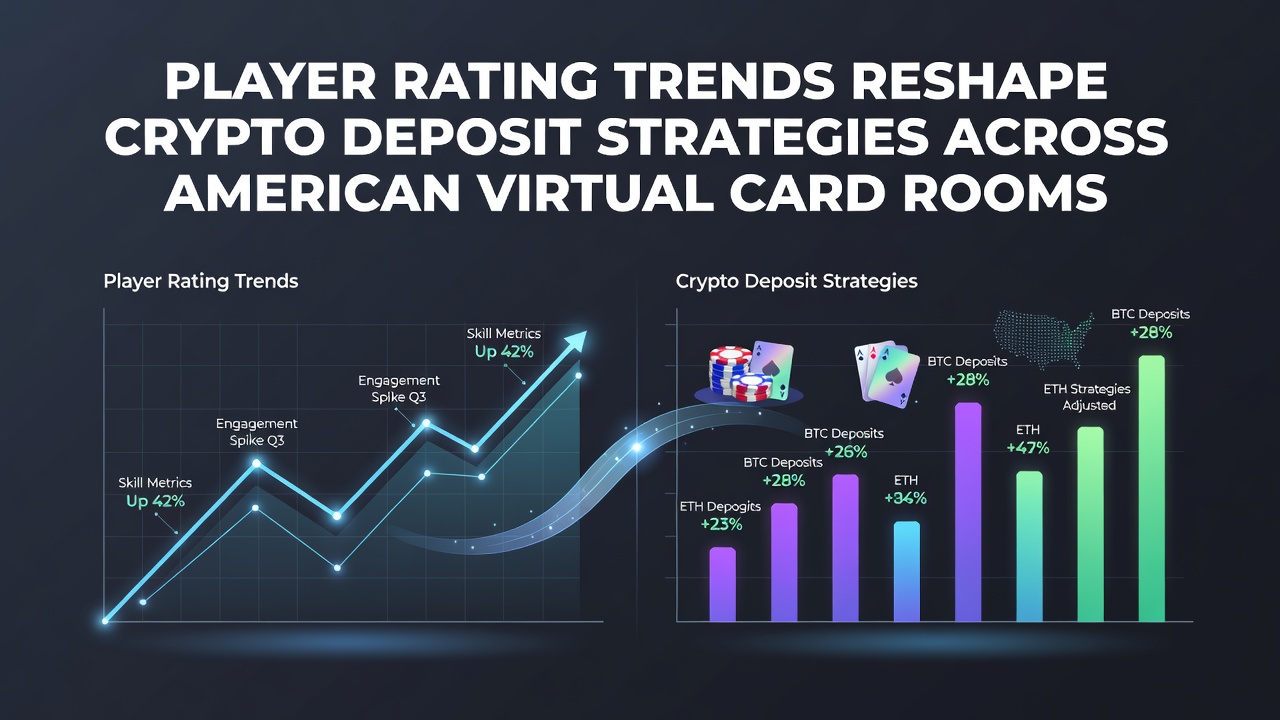
American virtual card rooms have watched player rating systems evolve into central drivers of deposit behavior, particularly where cryptocurrency options intersect with loyalty mechanics, and this development gained momentum through the first half of 2026. Platforms now tie deposit limits, bonus eligibility, and cashback percentages directly to rating tiers that track volume, frequency, and payment method consistency, which means participants adjust their crypto choices to climb or maintain those tiers.
Rating Algorithms and Deposit Incentives
Data collected across major US-facing sites shows that higher-rated players receive elevated daily deposit caps when they use stablecoins or Bitcoin, whereas lower-rated accounts face stricter thresholds that encourage smaller, more frequent transactions to build activity scores. Observers note that these algorithms weigh not only total volume but also the timing of deposits relative to gameplay sessions, creating patterns where users schedule crypto transfers to coincide with peak rating calculation windows. Research from the University of Nevada Reno gaming studies department indicates that players who align crypto deposits with algorithmic review periods improve their tier progression rates by measurable margins compared with those who deposit at random intervals.
Shifts in Preferred Cryptocurrencies
Bitcoin remains dominant for larger transfers among mid-tier players, yet Ethereum-based tokens and USDC have gained ground among those seeking faster confirmation times that help maintain rating momentum. Platforms adjust their internal scoring to favor currencies with lower network fees during high-traffic periods, and participants respond by switching wallets or splitting deposits across multiple assets to optimize both cost and speed. One documented pattern involves users converting portions of holdings into stablecoins immediately before scheduled rating updates, which reduces volatility risk while still registering as qualifying deposit activity.
Strategic Adjustments Observed in July 2026
By July 2026, several card rooms had introduced tiered crypto deposit bonuses that scale with player rating, prompting a noticeable increase in multi-wallet strategies. Participants maintain separate addresses for different rating brackets so that deposits feed into the appropriate scoring bucket without triggering anti-money-laundering flags that could reset progress. Figures released by the American Gaming Association reveal that average crypto deposit frequency per rated player rose during the second quarter, while average single-deposit size decreased slightly as users spread activity to protect or improve their standing.

Those managing multiple accounts across different rooms often coordinate deposit schedules so that one platform's rating window does not overlap with another's, thereby avoiding simultaneous large transfers that might draw extra scrutiny. This coordination relies on tracking each site's internal calendar for when ratings recalculate, information that circulates within player forums and private groups.
Regulatory and Platform Responses
State-level oversight bodies, including the Nevada Gaming Control Board, have begun examining how rating systems interact with cryptocurrency transaction monitoring, and early guidance encourages platforms to maintain clear audit trails that link deposits to verified player identities. In parallel, card rooms have refined their terms to require that crypto deposits originate from wallets registered under the same name as the player account, which adds another layer of planning for users who previously rotated addresses freely. These requirements have not slowed overall volume but have shifted preferences toward exchanges that provide verifiable transaction histories compatible with platform verification processes.
Emerging Patterns Among Different Player Segments
High-volume participants focus on maximizing the compounding effect of rating-linked cashback rates by concentrating deposits during promotional windows that align with rating resets. Mid-tier players experiment with smaller recurring transfers timed to daily or weekly scoring intervals, seeking incremental gains without committing large sums at once. Newer entrants often start with minimal test deposits to observe how quickly their rating updates before committing larger amounts, a cautious approach that rating dashboards now make more transparent through real-time progress indicators.
Conclusion
Player rating trends continue to intersect with crypto deposit practices in measurable ways across American virtual card rooms, and the adjustments players make reflect both platform incentives and evolving compliance expectations. As algorithms grow more sophisticated and regulatory frameworks clarify their stance on digital asset tracking, deposit strategies will likely keep adapting to the combined pressures of rating progression and operational requirements.