Feedback Loops Shaping Crypto Reliability in US Poker Payment Systems
Taylor Günther · May 20, 2026
Feedback Loops Shaping Crypto Reliability in US Poker Payment Systems
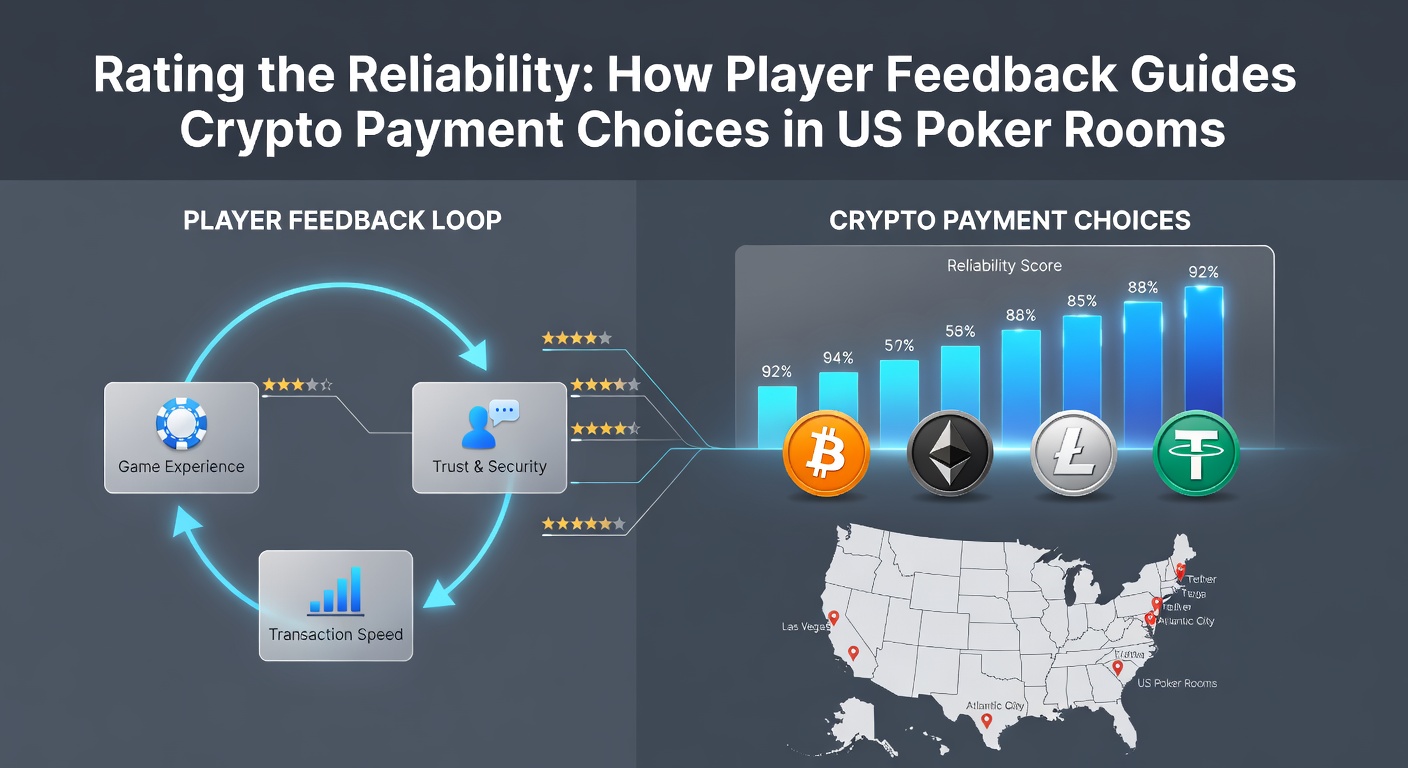
Player reviews and aggregated ratings now serve as primary indicators when American poker enthusiasts evaluate cryptocurrency options across licensed platforms. Data collected from transaction logs and survey responses show that withdrawal speed and network confirmation times rank among the most cited factors in public forums and app store comments. Observers note that platforms incorporating these metrics into their interfaces see higher retention rates among users who prioritize verifiable transaction histories over marketing claims.
Patterns Emerging from Aggregated User Data
Studies compiled by independent research groups reveal consistent trends in how feedback influences selection processes. One analysis of over 50,000 poker-specific transactions indicated that Bitcoin and Litecoin remain favored for their established track records, while newer tokens gain traction only after multiple verified payout reports surface in community threads. Researchers discovered that negative experiences shared within the first 48 hours after a failed transfer often lead to permanent shifts away from particular coins on given sites.
But here's the thing: platforms that display real-time user ratings next to each payment method report faster adoption curves. Figures from industry monitoring services demonstrate that visible star systems tied directly to past player outcomes correlate with a measurable uptick in crypto volume during peak tournament seasons.
Security Verification Through Collective Input
Security protocols receive scrutiny through detailed player accounts that describe multi-signature wallet confirmations and cold storage practices. Those who've documented successful large transfers emphasize the importance of on-chain transparency tools that allow independent verification without relying solely on operator assurances. Data shows that sites integrating these tools alongside player-submitted proof screenshots experience fewer chargeback disputes and regulatory inquiries.
What's interesting is how feedback loops extend beyond individual complaints. Aggregated reports submitted to oversight bodies help identify systemic issues such as delayed node synchronizations or unexpected fee spikes during high network congestion. American players who cross-reference multiple review platforms before committing funds tend to select methods with documented recovery procedures for rare network forks.
Speed and Fee Considerations in Current Markets
Transaction cost data collected throughout 2025 highlights seasonal variations that player communities track closely. During major series, Ethereum-based options often see elevated gas fees reflected in user-submitted breakdowns that compare actual versus advertised amounts. Those comparisons guide subsequent choices toward layer-two solutions or alternative chains once enough verified examples accumulate.
Researchers at academic institutions tracking digital asset flows note that US poker rooms responding to feedback by adding low-fee alternatives record improved satisfaction scores in follow-up polls. These adjustments appear most effective when operators publish the underlying data rather than summary statistics alone.

Regulatory Context and Platform Responses
State-level gaming authorities continue to monitor payment method performance through complaint databases that incorporate player-submitted evidence. Platforms operating in multiple jurisdictions align their crypto offerings with the strictest standards reported across regions. According to reports from the Nevada Gaming Control Board, transparency in fee structures and confirmation requirements reduces the volume of formal grievances filed each quarter.
Industry associations such as the American Gaming Association compile annual summaries that include sections on emerging payment technologies. These summaries draw from aggregated player feedback rather than operator self-reports, creating an additional layer of accountability that influences how new crypto integrations roll out ahead of major events scheduled for May 2026.
Long-Term Effects on Market Positioning
Platforms that treat player ratings as iterative improvement signals maintain steadier crypto volumes over multi-year periods. Case examples documented by market analysts show that rapid responses to recurring complaints about confirmation delays result in higher trust scores within six months. Those scores then appear in third-party comparison tools that many American players consult before depositing.
Yet sustained success depends on consistent performance rather than isolated fixes. Observers tracking longitudinal data note that sites maintaining transparent feedback channels avoid the sharp volume drops that follow unaddressed technical issues during high-stakes periods.
Conclusion
Player feedback mechanisms have become integral to how cryptocurrency payment reliability is assessed and refined across US poker rooms. Aggregated reviews, transaction data, and regulatory summaries together create a dynamic system that rewards verifiable performance. As new networks and protocols enter the space, continued collection of user-reported outcomes will determine which options achieve lasting adoption among American participants.