Evaluation Metrics Influencing Cryptocurrency Preferences Among American Online Poker Participants
Yara Hughes · Aug 12, 2026
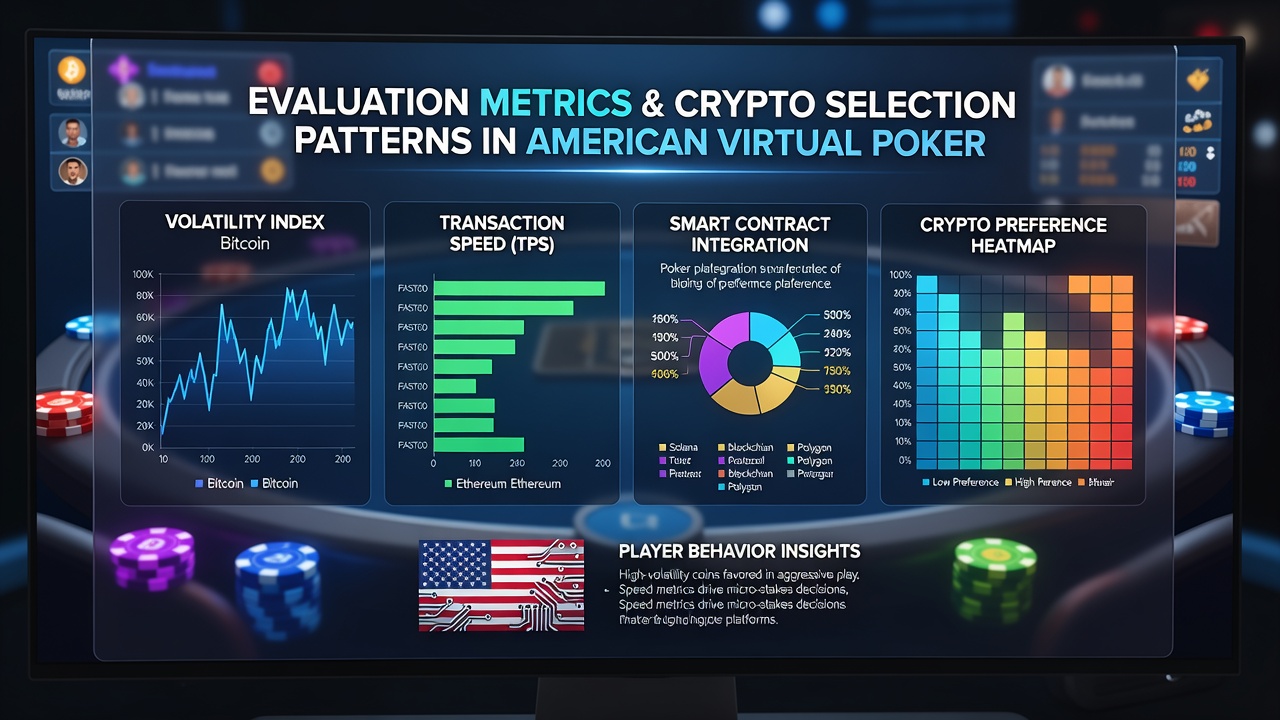
Evaluation Metrics Influencing Cryptocurrency Preferences Among American Online Poker Participants
American virtual poker platforms have seen measurable shifts in how participants select cryptocurrencies, and evaluation metrics play a central role in those decisions according to transaction records and platform analytics from mid-2026. Data from several major sites indicate that players weigh factors such as confirmation times, network fees, and price stability when choosing between options like Bitcoin, Ethereum, and stablecoins, while patterns emerge most clearly during peak summer activity periods including August 2026.
Core Metrics Used in Crypto Assessments
Transaction speed stands out as one primary metric because poker sites require rapid deposits and withdrawals to maintain game flow, and studies tracking user behavior show that coins with sub-ten-minute average confirmations attract higher volumes during evening sessions. Network fees receive equal attention since high costs can erode small-stakes winnings, leading observers to note that lower-fee alternatives gain preference when daily volumes exceed certain thresholds reported in platform dashboards. Volatility tracking also factors heavily because sharp price swings create uncertainty around cashout values, prompting participants to compare historical price ranges before committing funds to a particular asset.
Security and Compliance Indicators
Security ratings derived from wallet audits and protocol updates influence selections as well, with users cross-referencing third-party vulnerability reports before finalizing choices. Compliance signals tied to regulatory filings add another layer, and figures from US-focused crypto monitoring services reveal that assets with clearer tax-reporting integrations see steadier adoption rates among American players. Those who've studied these patterns point out that players often combine multiple metrics into weighted scoring systems rather than relying on any single data point.
Observed Selection Patterns in 2026
Throughout 2026, platform data shows a consistent tilt toward stablecoins for larger transfers because their pegged values reduce exposure during multi-table sessions, while Bitcoin retains strong use for smaller, frequent deposits where speed matters more than marginal price changes. Ethereum-based tokens appear in mid-range volumes, particularly when smart-contract features enable automated bonus releases, and analysts tracking these flows note that selection clusters around coins meeting at least three out of five common thresholds for speed, cost, and stability. In August 2026 specifically, increased tournament traffic correlated with higher stablecoin activity as players sought predictable cashout timing ahead of major series events.

Regional differences surface when data breaks down by state, with users in regulated markets showing stronger preference for coins that integrate with local banking rails for easier fiat conversion. Research indicates that these patterns hold across both desktop and mobile interfaces, though mobile users prioritize lower data usage during confirmations as an additional practical metric.
Regulatory and Platform Influences
Guidance from agencies such as the US Department of the Treasury shapes how platforms present crypto options, leading operators to highlight metrics that align with reporting requirements. Industry reports from groups tracking digital asset usage in gaming further illustrate that sites displaying clear metric dashboards experience higher retention when players can sort coins by customized criteria. A separate analysis conducted through Canadian regulatory channels on cross-border transaction trends supports similar conclusions about metric-driven choices among North American users, underscoring that transparent data presentation drives selection consistency.
Platform updates in early 2026 introduced real-time metric overlays, and subsequent transaction logs demonstrate accelerated shifts toward coins scoring highest on those displays. Observers tracking these adjustments report that users frequently revisit selections after fee spikes or network congestion events, creating recurring evaluation cycles rather than one-time decisions.
Conclusion
Evaluation metrics continue to guide cryptocurrency selections in American virtual poker settings through structured comparisons of speed, cost, stability, and compliance factors. Records from 2026 confirm that these data-driven approaches produce repeatable patterns across player segments and platform types, with stablecoins and established networks maintaining prominent positions when multiple metrics align. Ongoing platform refinements and regulatory updates suggest these influences will persist as transaction volumes evolve.