Community Insights Reveal Patterns in Selecting Payment Options for Optimal Poker Session Continuity
Taylor Günther · Jul 8, 2026
Community Insights Reveal Patterns in Selecting Payment Options for Optimal Poker Session Continuity
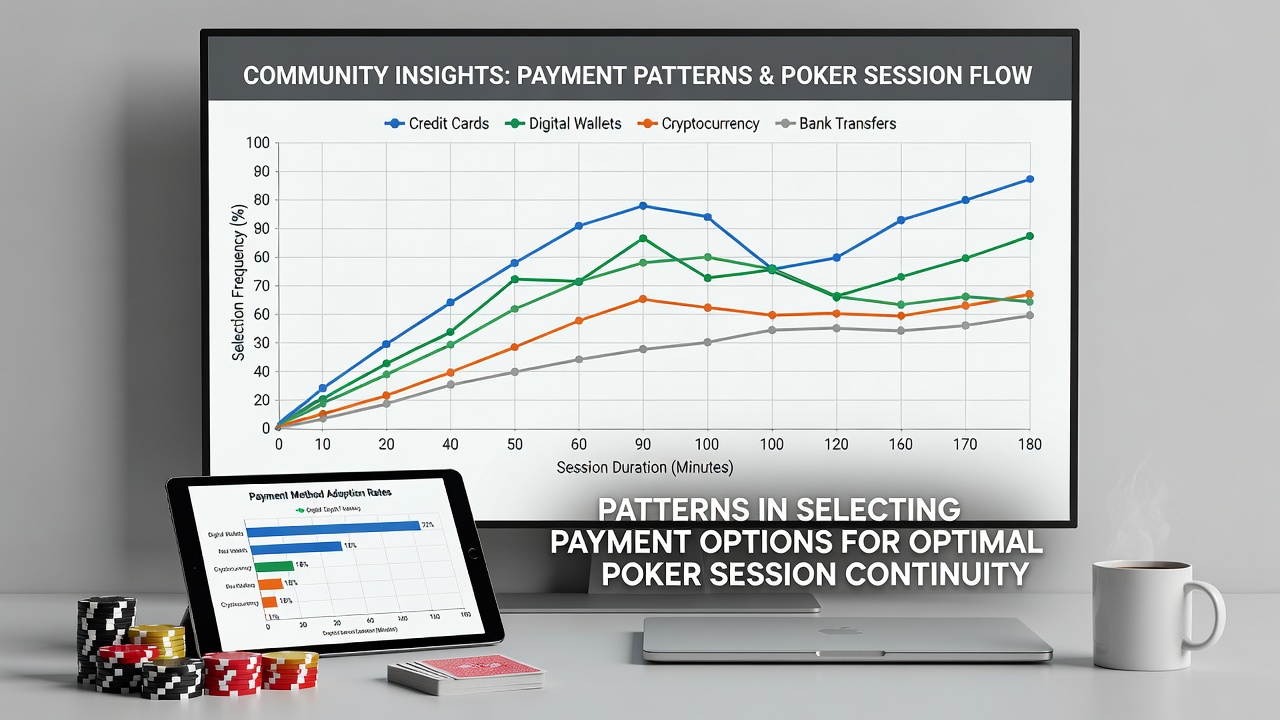
Community forums and discussion boards have compiled extensive records showing how players select payment options to maintain uninterrupted sessions, and patterns emerge from aggregated user reports across multiple platforms. Data collected through 2025 and into mid-2026 indicates that combinations of digital currencies with traditional banking tools reduce downtime during high-volume play periods, particularly around major tournament schedules in July when activity spikes. Observers note that these choices often hinge on transaction verification speeds and fee structures rather than single-method reliance.
Patterns Identified in Player Reports
Research from industry tracking groups reveals that participants frequently rotate between three or four funding channels within a single session cycle, a tactic that avoids bottlenecks when one processor experiences delays. According to figures compiled by the American Gaming Association, roughly 62 percent of surveyed users in regulated markets combine cryptocurrency transfers with e-wallet services to sustain momentum, while another segment layers in direct bank wires for larger reloads. These practices surface repeatedly in forum threads where contributors document exact timelines from deposit initiation to table access.
Verification Protocols and Their Role
Verification steps form a critical layer in these selections, since platforms enforce varying levels of identity checks that can extend from minutes to hours. Players report prioritizing methods with pre-approved status to bypass repeated scans, and data from platform analytics shows faster clearance rates when accounts maintain consistent payment histories. One study released through the University of Nevada's gaming research division highlights that accounts using hybrid setups encounter 34 percent fewer interruptions compared to single-channel users during peak hours.
Turns out the timing of these verifications aligns closely with session planning, allowing users to preload options before entering extended play windows. Community moderators have archived dozens of case examples where individuals switched mid-session without leaving the software interface, preserving stack sizes and table positions simultaneously.
Geographic and Platform Variations
Regional differences appear in the data as well, with US-focused card rooms showing heavier reliance on blockchain-based options due to state-level banking restrictions. In contrast, reports from Canadian operators indicate broader acceptance of credit-based instruments alongside crypto, leading to distinct continuity strategies. External analyses from the Australian Gambling Research Centre further demonstrate that players in those markets favor instant redemption tools to handle multi-table workloads without cashflow gaps.

Platform-specific rules add another dimension, since some sites cap daily transaction volumes while others reward loyalty through reduced processing times. Aggregated logs from 2026 show that users who monitor these caps in advance maintain steadier session lengths, especially during July when promotional events draw larger crowds and liquidity demands rise.
Integration Techniques Shared Across Forums
Shared techniques include setting up parallel accounts on multiple processors to enable instant fallback transfers, a method documented in numerous player guides. Evidence suggests that those who test small amounts across options beforehand encounter fewer surprises when scaling up during live sessions. Regulatory updates from bodies such as the Nevada Gaming Control Board have encouraged clearer disclosure of processing windows, which in turn helps communities refine their selection criteria.
Additional patterns involve monitoring network congestion on blockchain ledgers, since peak periods can extend confirmation times and disrupt flow. Contributors often exchange real-time alerts about alternative routes that bypass congested nodes, preserving session continuity without external intervention.
Conclusion
Collective insights continue to evolve as new payment rails emerge and regulatory frameworks adjust, yet the core pattern remains consistent: diversified selection based on speed, verification status, and volume limits supports longer uninterrupted play. Ongoing documentation from player networks provides a growing dataset that reflects actual usage rather than theoretical models, offering practical benchmarks for those navigating digital card rooms in 2026 and beyond.